

Homeownership is one of the most common ways people build long-term wealth, especially in the U.S., Canada, and the UK.
While it may not feel like an “investment” at first, owning a home can steadily grow your net worth through equity, appreciation, and financial stability.
Over time, homeowners often gain advantages that renters simply don’t have access to.
The main reason homeownership creates wealth is simple: instead of paying rent forever, you’re paying into an asset you own.
Each payment reduces your loan balance, builds equity, and gives you a chance to benefit from rising home prices.
Over years, this creates long-term financial growth.
Equity Growth Is the #1 Wealth Builder in Homeownership
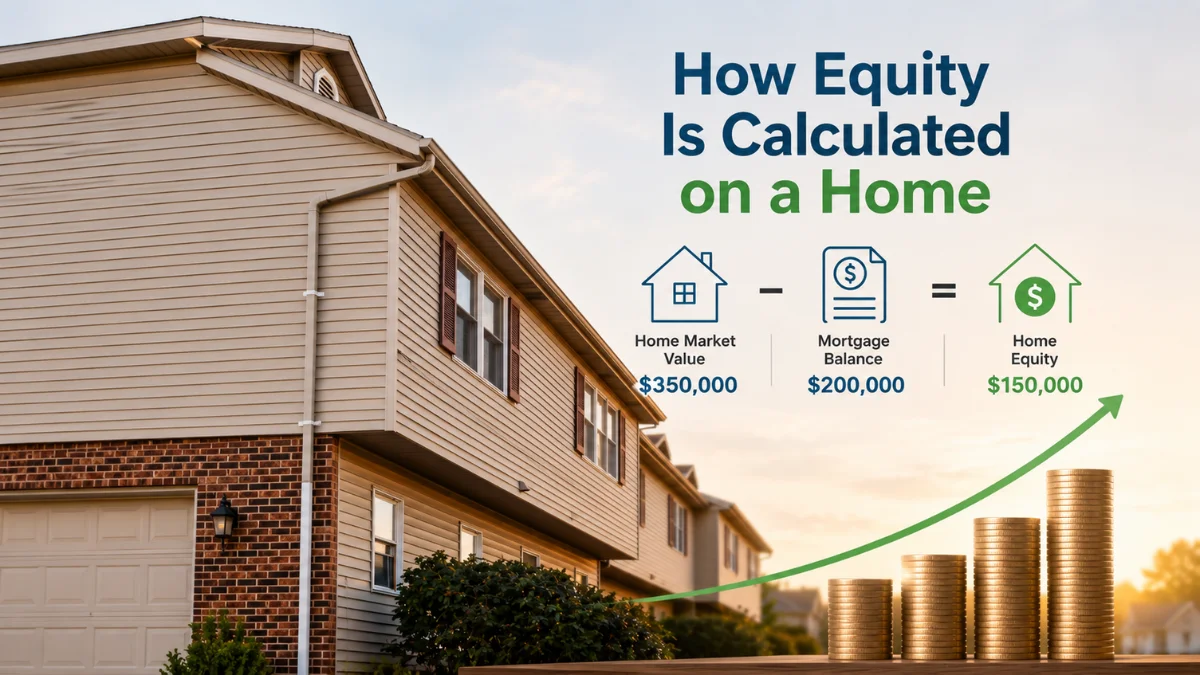
The biggest way homeowners build wealth is through equity. Equity is the difference between what your home is worth and what you still owe on your mortgage.
Every time you make a mortgage payment, a portion goes toward reducing your principal balance. Over time, this increases your ownership stake in the property, even if the home’s value stays the same.
This is why owning a home can feel like “forced savings.” Rent payments are gone forever, but mortgage payments gradually turn into ownership.
Many homeowners later use this equity to buy a larger home, pay off debt, or fund big life goals.
If you want to estimate your future equity growth, using a mortgage calculator can help you understand how principal payoff works year by year.
Equity becomes even more powerful when combined with market appreciation.
Home Value Appreciation Increases Your Net Worth Automatically
Another major advantage is home price appreciation. Historically, real estate tends to rise in value over the long term, especially in stable or growing cities.
Even small annual increases can become significant over 10–20 years. If your home grows in value while your mortgage balance decreases, your wealth increases from both directions at the same time.
This is why many homeowners see their first home as a stepping stone. They buy, live there for several years, build equity, then sell at a profit to upgrade.
Appreciation is also why buyers track rate movements and market shifts closely. Following mortgage rates today can help homeowners understand whether future home demand might rise or slow down.
Appreciation may not be guaranteed short-term, but long-term it’s one of the strongest wealth drivers.
What To Read Next



Mortgage Payments Reduce Debt While Rent Builds Someone Else’s Wealth
When you rent, your monthly payment builds your landlord’s wealth. When you own, your payment slowly reduces your debt and increases your ownership.
This is a key wealth difference that most people only realize after a few years of ownership. Even though mortgage payments include interest, taxes, and insurance, the principal portion builds real financial value.
Over time, your mortgage payment can also become cheaper compared to rent increases. Rent typically rises every year, but a fixed-rate mortgage stays stable.
That means your housing cost becomes more predictable, and your savings potential increases. Homeownership creates a powerful financial structure: a stable payment, an appreciating asset, and decreasing debt.
If you’re unsure whether buying makes sense compared to renting, a rent vs buy calculator can clearly show the long-term difference.
Refinancing Can Increase Wealth by Lowering Interest Costs
Refinancing is another major way homeowners build wealth. If interest rates drop, refinancing can reduce your monthly payment or shorten your loan term.
A lower rate means less money wasted on interest and more money going toward principal. That speeds up equity growth and increases your long-term net worth.
Homeowners who refinance strategically can save tens of thousands over the life of the loan. Tracking current refinance rates and comparing refinance mortgage rates helps you know when refinancing becomes worthwhile.
If you want to calculate whether refinancing is actually profitable, tools like a refinance break-even calculator can show how long it takes to recover closing costs.
Refinancing doesn’t build wealth instantly, but over time it can dramatically improve your financial position.
Cash-Out Equity Can Fund Investments, Education, or Business Growth
One of the biggest financial advantages homeowners have is access to equity. Once you build enough equity, you can use it through a home equity loan, HELOC, or refinancing.
Many homeowners use this equity to fund home improvements, pay off high-interest debt, or invest in other opportunities.
A popular option is cash-out refinance, where you refinance for a larger amount than you owe and take the difference in cash. This can be useful, but it must be used carefully because it increases your loan balance and long-term interest cost.
Understanding cash-out refinance rates and risks is important before using this strategy. Used wisely, equity can help homeowners grow wealth faster than relying only on income. Used poorly, it can turn your home into a debt trap.
Home Improvements Can Increase Property Value and Equity
Homeownership allows you to increase wealth through improvements. Unlike renting, where upgrades benefit the landlord, home upgrades can raise your home’s resale value and build equity.
Renovations like kitchen updates, bathroom upgrades, energy-efficient systems, and better landscaping can make your home worth significantly more.
However, not every upgrade has the same return. Some renovations add value, while others are mainly cosmetic.
Smart homeowners focus on improvements that increase resale demand and reduce long-term maintenance costs.
Many homeowners refinance to fund these upgrades, which is why understanding refinancing for home improvements is valuable.
A well-maintained and upgraded home not only increases comfort but also strengthens your financial future.
Long-Term Stability Creates Financial Freedom and Retirement Strength
Homeownership can also build wealth by creating stability. Once your mortgage is paid off, your housing cost becomes dramatically lower.
Instead of paying rent forever, homeowners can eventually live with only taxes, insurance, and maintenance. This is one reason homeownership is strongly connected to retirement security.
Owning a home later in life often means you have a valuable asset you can sell, downsize, or use for financial flexibility.
Even if you don’t sell, having a paid-off home reduces monthly expenses, freeing income for savings, investing, and lifestyle goals.
Many retirees build wealth simply by holding their property long enough.
If you want to plan your payoff timeline, using an amortization calculator helps you see how quickly your loan balance drops.
Frequently Asked Questions
Conclusion
Homeownership builds wealth over time through equity growth, appreciation, debt reduction, refinancing savings, and the ability to use home value strategically.
While it requires responsibility and long-term thinking, owning a home can be one of the most powerful financial moves a person makes.
The key is buying within your budget, understanding mortgage structure, and making smart refinancing decisions when opportunities appear.
To explore smarter homeownership strategies, compare rates, and estimate your long-term savings, visit Mortgage Rates Checker and plan your financial future with confidence.
When It Makes Sense to Move Instead of Staying?
Fact-Checked & Reviewed by Tapan Kumar Mandal, MBA (Finance)
Moving isn't always the right choice. Discover how changes in your finances, family needs, and housing market conditions can help you determine the best time to relocate.
AdvertisementBuying a home is often seen as a long-term commitment, but staying forever is not always the smartest move.
Many homeowners reach a point where relocating offers better financial stability, lifestyle improvement, or long-term value.
Understanding when moving makes sense can help you avoid wasting money, overpaying for comfort, or missing better opportunities.
It makes sense to move instead of staying when your home no longer fits your budget, family needs, job location, or long-term goals. If moving improves your finances, reduces stress, or gives you better value than remodeling or refinancing, relocation can be the smarter decision.Staying is best when your home supports your future and your mortgage remains affordable.
Moving becomes the better option when the cost of fixing, upgrading, or maintaining your current home is higher than the long-term benefit.
The goal is to maximize comfort, equity growth, and financial stability.
When Your Home No Longer Fits Your Lifestyle
One of the clearest signs that moving makes sense is when your current home no longer matches your daily life.
This happens often when families grow, people start working remotely, or homeowners need space for children, aging parents, or home offices.
If your home feels cramped, uncomfortable, or poorly designed for your current lifestyle, staying can slowly become frustrating.
Many homeowners try to force a home to work through renovations, but upgrades don’t always solve the core issue.
A small home may still feel small even after remodeling, and a bad neighborhood will never become your ideal location.
In these cases, moving can be the smarter long-term decision.
Before deciding, reviewing your budget with a mortgage affordability calculator can help you understand what kind of upgrade you can realistically afford.
When Your Monthly Costs Are Becoming Unmanageable
If your mortgage payment, property taxes, HOA fees, or maintenance costs are rising faster than your income, moving may be necessary.
Many homeowners underestimate how expensive long-term ownership becomes, especially when major repairs like roofing, HVAC, plumbing, or foundation issues appear.
When these costs stack up, staying in the home can drain savings and create constant financial stress.
Sometimes refinancing can help reduce payments, especially when rates drop. Checking current refinance rates and comparing options through refinance mortgage rates can show whether staying is possible without damaging your finances.
But if refinancing still doesn’t make the numbers work, moving to a more affordable home is often the healthier option.
You can also evaluate payment scenarios using a mortgage payment calculator to see how much relief a new home might provide.
What To Read Next
When Commuting or Job Relocation Becomes a Bigger Problem
Career growth is one of the biggest reasons homeowners move.
A better job opportunity, relocation, or a shift in working arrangements can make your current location inconvenient or even impossible.
A long commute may not seem like a deal-breaker at first, but over time it can reduce quality of life, increase expenses, and cause burnout.
In these cases, staying in your current home may cost more than just money, it can cost time, energy, and mental health.
Many homeowners decide moving is worth it if they can cut commuting time, reduce transportation costs, and gain more personal freedom.
Before selling, it’s also smart to calculate if refinancing could help you keep the home as a rental.
Comparing mortgage refinance options can help you understand if converting your property into an investment is possible.
When Your Home Equity Can Unlock a Better Opportunity
Sometimes moving makes sense simply because the market gives you the chance to upgrade without financial strain.
If your home has gained value and you have strong equity, selling may allow you to put a larger down payment on a better property.
Many first-time homeowners stay until they build enough equity to move into a more suitable home.
If your equity is high, you may also consider options like a cash-out refinance, but that approach increases debt and extends your loan balance.
In many cases, selling is cleaner and financially safer than borrowing against your home. If you’re unsure, reading about home equity refinance strategies can help you decide if tapping equity or selling is the smarter play.
The key is recognizing that equity is not just a number, it’s a tool that can improve your living situation when used correctly.
When Repairs and Renovations Are Not Worth the Investment
Renovations sound exciting, but they don’t always provide a good return. If your home requires major structural repairs or expensive upgrades, moving may cost less than fixing everything.
Common examples include old roofs, outdated electrical systems, plumbing problems, foundation damage, or high energy inefficiency.
Even if you remodel, there’s no guarantee you’ll get that money back when you sell. If the neighborhood has limited appreciation potential, you could end up spending $50,000 on upgrades and only increasing the home value by $20,000.
That’s a financial loss disguised as improvement. In this situation, moving to a newer home or better area may provide more long-term value.
Running the numbers using an estimated mortgage calculator can help you compare costs between staying and upgrading versus buying a different property.
When Renting Out Your Home Makes More Sense Than Living In It
Some homeowners move not because they dislike their home, but because it becomes a better investment than a place to live.
If your property is in a high-demand rental area, you might move to a new home and keep your first home as a rental property.
This strategy can build long-term wealth, but only if rental income covers mortgage payments and repairs.
If you’re considering this path, refinancing might improve cash flow by lowering the monthly payment.
Reviewing refinance interest rates and using a refinance calculator can help estimate whether turning your home into a rental is financially realistic.
However, if managing tenants sounds stressful or the numbers don’t work, selling and moving is usually the safer option.
This is where financial planning matters more than emotions.
When the Market Timing Works in Your Favor?
Moving becomes especially smart when market conditions are favorable.
If home prices are high in your area and demand is strong, you might sell at a profit and use that money to upgrade or relocate.
Even if mortgage rates are higher, strong equity and good timing can make the move worth it.
However, market timing should never be the only reason you move. Many homeowners sell too quickly because they hear the market is hot, then struggle to buy again at higher prices.
This is why comparing your options using tools like the mortgage rate calculator is important. If your payment would rise significantly, staying may still be better even in a strong market.
The smartest move is one where timing and personal need align.
Frequently Asked Questions
Conclusion
Moving instead of staying makes sense when your home no longer fits your lifestyle, budget, job needs, or long-term goals.
If the cost of repairs, commuting, stress, or financial strain outweighs the benefits of staying, relocation can be the best decision.
The smartest homeowners don’t move based on emotions, they move based on strategy, planning, and realistic numbers.
To explore your options, compare mortgage scenarios, and understand refinancing possibilities before making your decision, visit Mortgage Rates Checker and make your next move with confidence.

How Long Most People Stay in Their First Home
Fact-Checked & Reviewed by Tapan Kumar Mandal, MBA (Finance)Buying your first home is a big milestone, but it’s rarely your forever home. Explore how long most homeowners stay in their first home, what influences their decision to move, and the financial factors worth considering before making your next move.
AdvertisementAn honest look at homeowners’ timelines and what affects them.
Buying your first home is a big milestone, but many wonder how long they actually live in it before moving or upgrading.
Most first-time homeowners stay in their first property long enough to build equity, usually long enough to justify closing costs and lifestyle changes, yet short enough to adapt if life changes.
Most people stay in their first home about 7-10 years, though individual situations like job changes, growing families, or market conditions can shorten or lengthen that period significantly.Understanding the typical home tenure helps first-time buyers plan finances, estimate refinance savings, and decide whether buying now makes sense compared to renting or waiting.
Average Home Tenure for First-Time Buyers
Most first-time owners hold onto their first home for about seven to ten years before selling.
This timeframe balances the costs of buying and selling with personal goals like job relocation, family expansion, or upgrading to a bigger home.
Many buyers sell when they’ve built enough equity to afford a move without carrying two mortgages.
This average is influenced by life stages and local real estate trends. In high-growth areas, homeowners might sell sooner to capitalize on price appreciation.
In more stable markets, people might stay longer because selling costs or market timing isn’t favorable.
Ultimately, your unique plans should guide how long you intend to live in a property, not just average statistics.
Why People Leave Their First Home Earlier?
Several life factors often prompt homeowners to sell sooner than expected:
- Job relocation: New employment opportunities far from the current home
- Growing family: Need for more space as family size increases
- Financial changes: Need to reduce payments or access equity through cash-out refinance
- Lifestyle shifts: Desire for a different neighborhood or home type
Early movers sometimes regret selling too soon if market timing isn’t in their favor. If you think you might sell within a few years, comparing long-term cost versus short-term benefit is wise.
Tools like a rent vs buy calculator can help gauge whether buying now fits your timeline and budget.
What To Read Next
When It Makes Sense to Stay Longer?
Staying in your first home beyond the average 7-10 years can be smart when:
- Your mortgage interest rate is low
- You have significant equity built up
- Selling costs will outweigh market gains
- You enjoy stability and community
Holding the property longer also lets you explore refinancing opportunities, like lowering your rate or shortening your term.
Using things like a refinance break-even calculator can show how long you must stay in the home for a refinance to pay off.
If you plan on staying long-term, ensure your home still fits your lifestyle and financial goals.
How Selling Timeline Affects Financial Planning
Your expected length of stay impacts many financial decisions:
- Whether to pursue adjustable vs fixed rates
- Timing a rate lock
- Planning for closing costs on a future sale
- Deciding if a no-closing-cost refinance makes sense
Generally, if you plan to stay fewer than 5–7 years, buyers may prefer lower upfront costs.
If your intention is long-term homeownership, focusing on low monthly payments and equity building may be better.
Considering your timeline helps you optimize mortgage strategies for your situation, whether that’s buying, refinancing, or future upsizing.
Frequently Asked Questions
Conclusion
Most first-time homeowners stay in their first home about 7-10 years, though personal goals and life changes can change that.
Planning how long you expect to stay can help you choose the best mortgage and refinance options and tools like the rent vs buy calculator or break-even tools can make that plan clearer.
For trusted guidance on mortgage options, rates, and planning your next move, visit Mortgage Rates Checker, where we help homeowners make smarter decisions every step of the way.

