Online loans make it possible to research lenders, submit applications, and review offers without visiting a branch. They can be convenient when you need money for an unexpected expense, a planned purchase, or a temporary cash-flow shortage. However, the online application process does not automatically make a loan cheaper, safer, or easier to qualify for.
The important part is knowing who is lending the money, how much the loan will cost, and whether you can comfortably make the payments. Some providers make decisions quickly, while others need additional documents or time to verify your information.
Before applying, compare suitable options, check the lender’s legitimacy, and read the agreement carefully. A few checks before you submit your details can help you avoid unnecessary credit inquiries, misleading offers, and costly mistakes.
What Is an Online Loan and How Does It Work?
An online loan is financing that you research or apply for through a website or digital platform. Depending on the provider, it may be a personal installment loan, a business loan, a secured loan, or another type of credit. Some platforms lend directly; others connect applicants with third-party lenders.
The process typically involves completing an application, providing identity and financial information, allowing the lender to assess eligibility, and reviewing an offer if approved. After you accept the agreement and complete any required verification, the lender arranges funding according to its procedures.
Approval and funding are separate steps. A lender may approve an application but still need to verify your bank account or complete other checks before sending the money. Timelines vary, so do not rely on an advertised funding speed until you understand the conditions.
Learn what an online loan is before deciding which product suits your needs.
How to Apply for an Online Loan
A clear application process helps you compare offers without rushing into an agreement.

Decide how much you need to borrow
Start with the expense you need to cover and calculate the actual shortfall. Subtract money you can reasonably contribute without compromising essential bills or emergency savings.
Avoid borrowing extra just because a lender offers a larger amount. A larger balance usually means greater repayment obligations and may increase the total interest you pay.

Compare lenders and loan types
Research banks, credit unions, established online lenders, and relevant nonprofit or community-based options. Compare the interest rate, APR, fees, repayment term, eligibility criteria, and funding process.
Check whether the provider is the lender or a marketplace that sends your information to other companies. Understand who will contact you and whether submitting an application could lead to a credit inquiry.

Check eligibility before applying
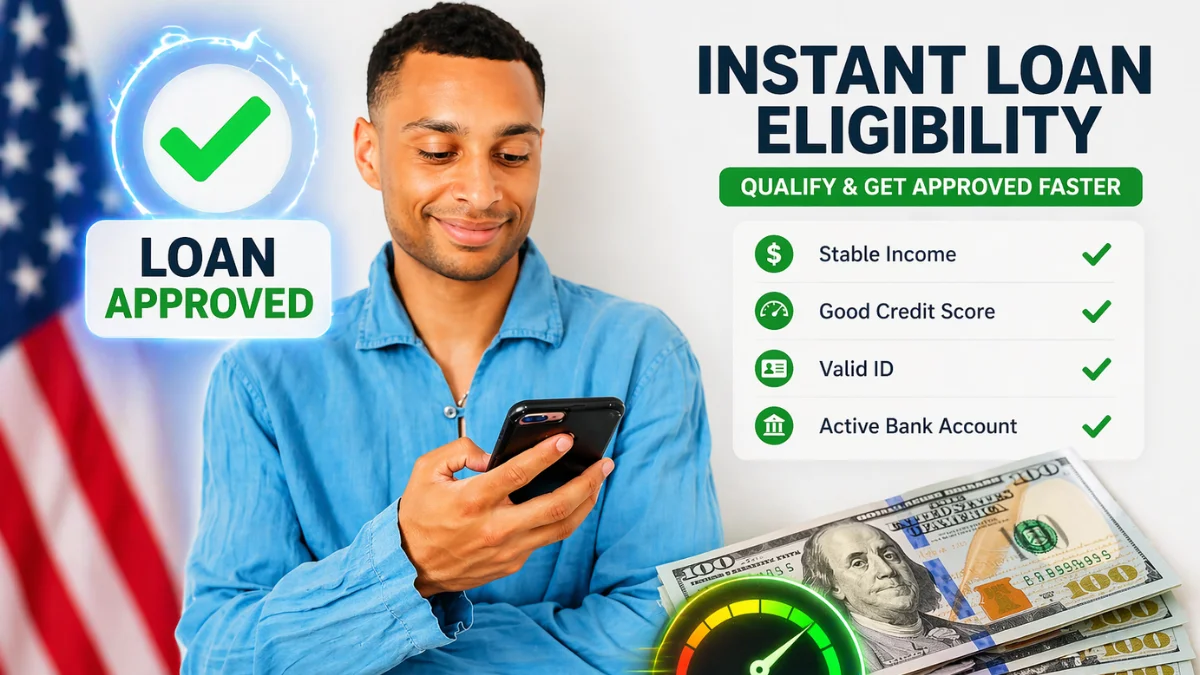
Review the lender’s minimum requirements, which may include age, residency, income, employment or other repayment resources, credit history, and bank-account details. Secured loans may also require eligible collateral.
Applying when you clearly do not meet a lender’s stated criteria can waste time. Different lenders assess applicants differently, so check the specific requirements rather than assuming every online lender uses the same standards.

Prepare the required information
Depending on the loan, you may need:
- Government-issued identification and contact details.
- Income or employment information.
- Bank-account details for verification and funding.
- Information about existing debts and monthly expenses.
- Business records or collateral details, if relevant to the product.
Only provide sensitive information through a verified website. See how to apply for a loan online for more guidance.

Complete the application accurately
Enter your details carefully and answer each question truthfully. Review the lender’s privacy notice, credit-check permissions, and any authorization for automatic payments.
If a lender requests extra documentation, respond through its verified channel. Avoid sending personal documents to an unverified email address or through an unexpected message link.

Review and accept the offer only when it makes sense
Before signing, confirm the amount you will receive, the APR, all fees, the payment amount, the due dates, and the total repayment amount. Check whether the rate is fixed or variable and whether late payments or early repayment trigger additional charges.
Do not accept an offer just because you have already completed the application. You can compare the final terms with other available options before committing.
How to Compare Online Loan Offers
The lowest advertised interest rate does not always mean the cheapest loan. Compare the full cost and make sure the repayment schedule works for your budget.
| What to compare | What to check |
|---|---|
| APR | Interest and applicable loan fees reflected in the annual percentage rate |
| Total repayment | The total amount you will repay over the loan term |
| Monthly payment | Whether the payment fits your income and essential expenses |
| Repayment term | How long you will owe money and how the term affects total cost |
| Additional fees | Origination, late-payment, returned-payment, or other applicable charges |
| Payment method | Whether automatic withdrawals are required or optional |
| Early repayment | Whether extra payments are allowed and whether any penalties apply |
The Consumer Financial Protection Bureau explains that APR includes the interest rate and certain additional loan fees, making it useful for comparing borrowing costs. Confirm the actual fees and terms in each offer, because APR alone does not tell you whether the payment is affordable.
If you need to estimate payments before applying, you can use the loan calculator to explore how loan amounts, rates, and repayment periods affect your budget.
What to Read Next?


How to Check Whether an Online Lender Is Legitimate
Before submitting personal or financial information, verify the company independently.
- Confirm its legal identity. Look for the company’s legal name, contact details, and physical address.
- Check state requirements. Verify whether the lender is licensed or registered with the relevant state regulator.
- Research complaints. Search the company name alongside terms such as “complaint,” “review,” and “scam.” Do not rely only on testimonials published on the company’s own website.
- Read the privacy policy. Find out whether your information will be shared with other lenders, lead generators, or marketing companies.
- Check the agreement. Make sure the lender discloses the cost, payment schedule, and conditions before you accept.
- Avoid unexpected links. If you receive a loan text or email you did not request, independently find the company’s official contact details instead of clicking the message.
The CFPB warns that some online loan websites are lead generators rather than actual lenders. They may collect your information and pass it to multiple potential lenders, so understand who will receive your details before proceeding.
For a more detailed checklist, read how to check if an online lender is legitimate.
Online Loan Scams: Warning Signs to Avoid
Loan scams often target people who urgently need money or believe they may not qualify through traditional lenders. Watch for these red flags:
- Guaranteed approval: A company promises a loan regardless of your financial circumstances.
- Payment demanded to release the loan: Someone asks for an upfront fee to guarantee approval or unlock the promised funds.
- Unexpected loan texts: A message says you are preapproved for a loan you never requested.
- Pressure to act immediately: The provider discourages you from comparing offers or reading the agreement.
- Requests for account passwords or security codes: Someone asks for credentials that could give them access to your bank account.
- Unclear lender identity: You cannot determine who is providing the loan or how to contact the company.
A legitimate lender may charge certain disclosed application-related fees in appropriate circumstances. The key warning sign is a demand for payment in exchange for a guaranteed loan or a promise that paying first will secure approval. The FTC advises consumers not to pay for a promise of credit.
If you receive a suspicious message about a loan you never applied for, do not reply or click its links. The FTC’s guidance on fake loan text scams explains how such messages can be used to steal personal information.
Learn more about protecting yourself from online loan scams before applying.
Common Online Loan Mistakes to Avoid
Even when a lender is legitimate, the wrong borrowing decision can cause financial stress.
- Applying before comparing costs: Check the APR, fees, and repayment terms across suitable offers.
- Borrowing more than necessary: Keep the loan amount tied to a clear expense or funding need.
- Ignoring the repayment schedule: Confirm when the first payment is due and how often payments will be collected.
- Overlooking automatic withdrawals: Understand what you are authorizing and how to manage the payment arrangement.
- Submitting applications to unfamiliar websites: Verify whether each site is a lender or a service that shares your information.
- Assuming prequalification means approval: A preliminary result may not be a final credit decision.
- Accepting a payment you cannot afford: Consider rent, food, utilities, existing debt, and emergency expenses before committing.
If you have already applied, keep a copy of the agreement, save confirmation messages, and monitor your bank account for unexpected withdrawals. If the lender requests additional documents, verify the request before sending them.
See what to do after an online loan application for next steps.
Conclusion
Online loans can make borrowing more convenient, but convenience should not replace careful checking. Work out how much you need, compare APRs and total repayment costs, check the lender’s identity and eligibility requirements, and read the agreement before signing.
Be cautious of guaranteed-approval claims, unexpected loan messages, and demands for advance payments in exchange for promised credit. Protect your personal information and choose a payment schedule you can manage alongside your essential expenses.
The best online loan is not simply the one that approves you fastest. It is a legitimate, transparent option that meets your needs at a cost you can reasonably afford.