An online loan is a fast and convenient way to borrow money without visiting a bank. With digital applications and quick approvals, online loans are becoming increasingly popular.
Understanding how online loans work helps you choose the right option and borrow safely.
What Is an Online Loan?
An online loan is a type of loan that you can apply for and manage entirely through the internet.
Instead of visiting a bank branch, you complete the entire process—application, verification, approval, and disbursement—online.
These loans are offered by banks, NBFC, and digital lending platforms. They are designed for convenience and speed, making them popular for both planned and emergency expenses.
If you’re new to this, exploring an online loan guide helps you understand how digital lending works in today’s financial world.
How Does an Online Loan Work Step by Step?
Online loans follow a simple and streamlined process. First, you fill out an application form on the lender’s website or app.
Next, you upload required documents and complete digital verification. The lender then evaluates your application using automated systems.
Once approved, the loan amount is transferred directly to your bank account. Repayment begins as per the agreed schedule.
Understanding the process through online loan approval process helps you know what happens behind the scenes.
Key Features of Online Loans
Online loans are known for their speed, convenience, and minimal paperwork.
Most lenders offer quick approvals, digital KYC verification, and fast disbursement. You can apply anytime from anywhere, making the process highly flexible.
However, interest rates and terms can vary depending on the lender. Some loans may also include additional fees.
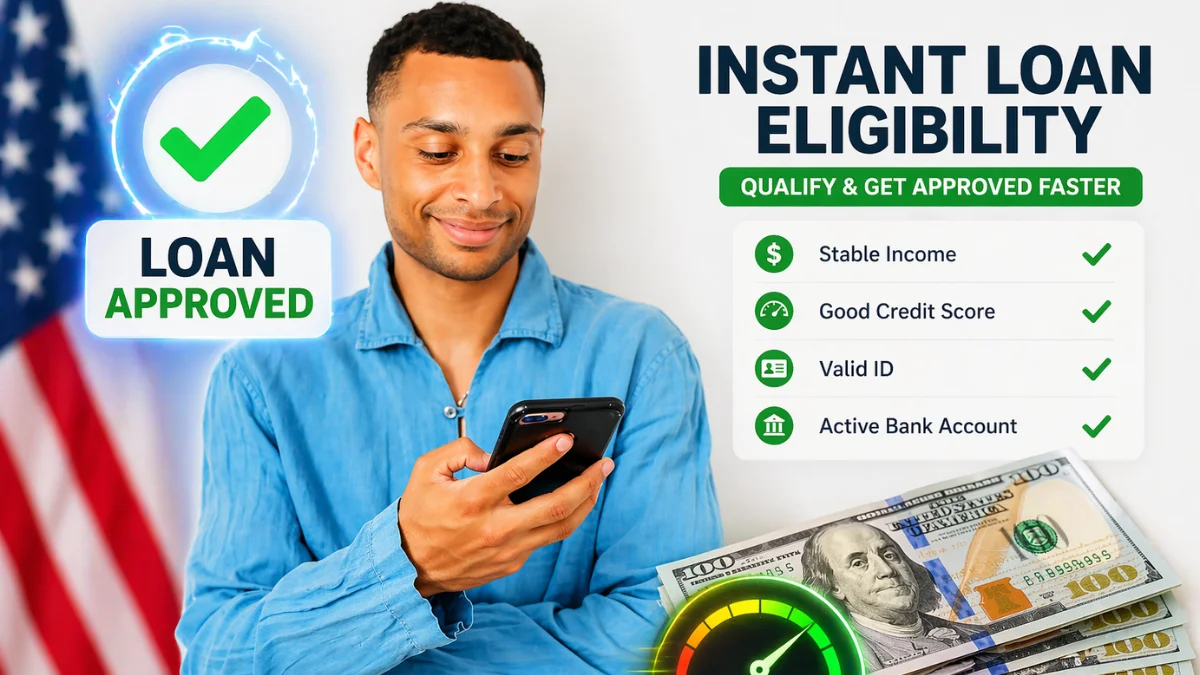
Understanding online loan eligibility helps you know whether you qualify and what terms you can expect.
Types of Online Loans Available
There are different types of online loans available based on your needs. These include personal loans, business loans, instant loans, and lines of credit.
Some loans are secured, requiring collateral, while others are unsecured and depend on your credit profile. Choosing the right type is important for managing costs and risks.
Understanding secured vs unsecured online loan options helps you select the best loan for your situation.
What Can You Use an Online Loan For?
Online loans can be used for a wide range of purposes, including medical emergencies, home improvements, education, travel, or business needs. They offer flexibility in usage, unlike some traditional loans that are purpose-specific.
However, it’s important to use the funds responsibly. Borrowing for unnecessary expenses can create financial stress later. Planning your usage carefully ensures you get the most benefit from your loan.
What to Read Next



How Interest Rates and Charges Work
Interest rates on online loans depend on factors such as your credit score, income, and loan type.
In addition to interest, lenders may charge processing fees, late payment penalties, and service charges.
These costs can increase your total repayment amount significantly. Always review the full cost before accepting a loan offer.
Understanding online loan vs traditional loan helps you compare costs and choose the most affordable option.
Who Can Apply for an Online Loan?
Online loans are accessible to a wide range of borrowers, including salaried individuals, freelancers, and business owners.
Lenders evaluate factors such as income, credit score, and financial stability before approval. Some lenders may also offer loans to individuals with lower credit scores, but at higher interest rates.
Understanding online loan eligibility helps you prepare your application and improve your chances of approval.
Advantages of Online Loans
The biggest advantage of online loans is convenience. You can apply from home without visiting a bank, and the process is much faster than traditional lending.
Digital verification reduces paperwork, and funds are often disbursed quickly. Online loans also offer flexibility in terms of loan types and usage.
However, it’s important to balance convenience with cost and safety. Learning how to check online lender legit ensures you choose a reliable provider.
Risks You Should Be Aware Of
While online loans are convenient, they also come with risks such as higher interest rates, hidden charges, and potential scams.
Some unverified lenders may misuse your personal data or impose unfair terms. Borrowers should always verify lenders and read terms carefully before applying.
Understanding protect from online loan scams helps you stay safe and avoid fraudulent platforms.
How to Choose the Right Online Loan
Choosing the right online loan requires careful evaluation. Compare interest rates, fees, and repayment terms across different lenders.
Check reviews and verify the lender’s credibility. Borrow only what you need and ensure you can repay it comfortably. Taking time to compare options helps you avoid costly mistakes.
Learning from online loan mistakes ensures you make informed decisions.
Tips to Use Online Loans Safely
To use online loans safely, always apply through trusted platforms, verify lender details, and read terms carefully.
Avoid sharing sensitive information with unverified apps or websites. Make timely payments to avoid penalties and maintain a good credit score.
Borrow only for genuine needs and plan your repayment in advance. Staying informed is key to safe borrowing.
Frequently Asked Questions
Conclusion
Online loans have made borrowing faster and more convenient than ever before.
However, understanding how they work, including approval, interest, and risks, is essential for making smart financial decisions.
By comparing options, verifying lenders, and using insights from an online loan guide, you can borrow safely and effectively.
The key is to balance convenience with responsibility and choose a loan that fits your financial situation.

About Us
We're MortgageRatesChecker, a financial education and tools platform helping consumers make smarter decisions about borrowing, budgeting, saving, and everyday spending. We provide practical guides, calculators, and resources covering mortgages, loans, home buying, refinancing, personal finance, money management, and budget-conscious travel. Explore our guides, calculators, and resources to make more informed financial decisions.
Disclaimer
MortgageRatesChecker provides educational mortgage calculators, loan tools, and financial guides designed to help you better understand home financing. Our content is researched, fact-checked, and regularly updated in accordance with our Editorial Policy, using trusted information from our Data Sources and transparent methodologies explained in How We Calculate. Learn more about our commitment to accuracy on Why Trust Us. This content is provided for informational purposes only and should not be considered financial, legal, tax, investment, or mortgage advice. Mortgage rates, lending requirements, loan programs, and regulations may change without notice. Before making any borrowing, refinancing, or home-buying decision, consult your Bank or Mortgage Lender, licensed financial advisor, tax professional, or attorney based on your individual circumstances. MortgageRatesChecker is an independent educational resource and is not a lender, mortgage broker, financial advisor, or government agency. Please review our Affiliate Disclosure, Advertiser Disclosure, Disclaimer, and Terms & Conditions for additional information.