Online loans are easy to apply for, but approval depends on meeting specific eligibility criteria.
Many borrowers get rejected because they don’t understand what lenders look for.
Knowing online loan eligibility requirements helps you qualify faster, secure better terms, and avoid unnecessary rejections.
What Is Online Loan Eligibility?
Online loan eligibility refers to the criteria lenders use to determine whether you qualify for a loan.
Since online loans rely on digital systems, lenders evaluate your profile using automated checks.
These include your income, credit score, employment status, and financial behavior.
Meeting these criteria increases your chances of approval and better interest rates.
If you’re new to borrowing, exploring an online loan guide helps you understand how eligibility works in digital lending.
Basic Eligibility Requirements You Should Know
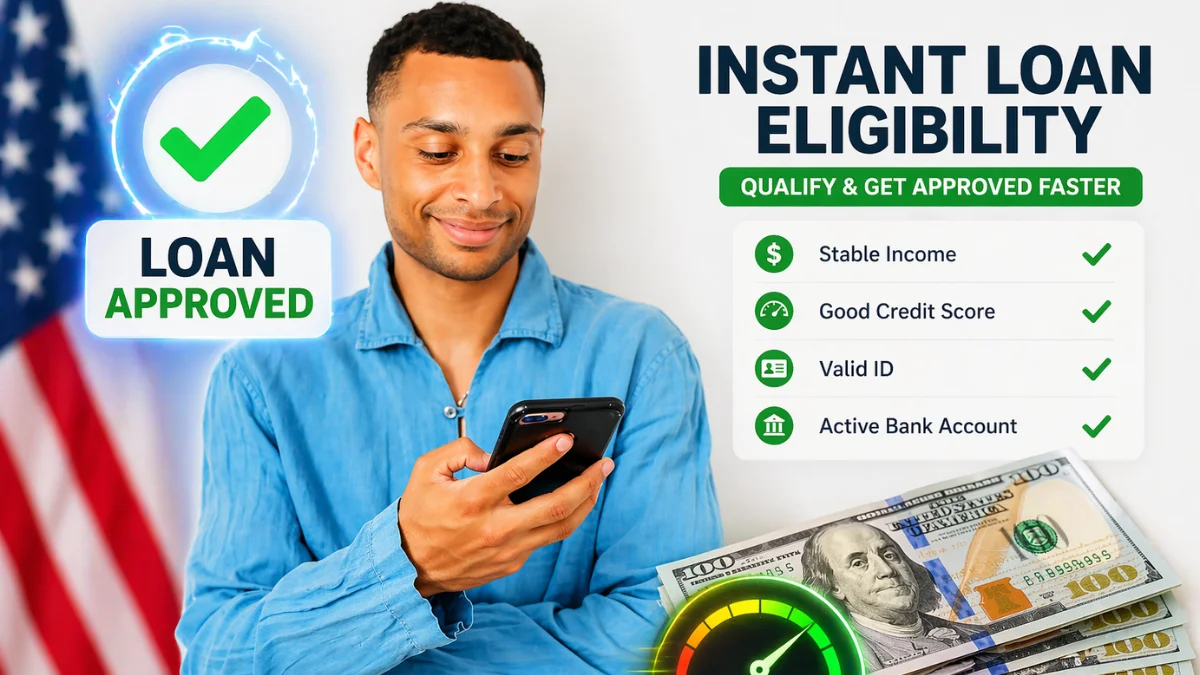
Most online lenders have basic requirements that every applicant must meet. You typically need to be above a certain age (usually 18 or 21+), have a steady income, and maintain an active bank account.
Some lenders may also require minimum monthly income or employment stability. These requirements ensure that you can repay the loan.
Understanding apply loan online helps you prepare your application properly and meet these basic conditions.
Credit Score: The Most Important Factor
Your credit score plays a major role in online loan eligibility. It reflects your repayment history and financial discipline.
A higher credit score increases your chances of approval and helps you secure lower interest rates.
A low score may result in higher rates or rejection. Some lenders offer loans to low-credit borrowers, but at higher costs.
Understanding online loan approval process helps you see how credit checks influence approval decisions.
What to Read Next



Income and Employment Stability
Lenders want to ensure that you have a stable income to repay the loan. Salaried individuals, freelancers, and business owners can all qualify, but consistent income is key.
Frequent job changes or irregular income may reduce your chances of approval. Providing proof of income helps build lender confidence.
Understanding online loan eligibility helps you align your financial profile with lender expectations.
Debt-to-Income Ratio (DTI) and Existing Loans
Your existing financial obligations also affect your eligibility. Lenders evaluate your debt-to-income ratio (DTI) to see how much of your income is already committed to repayments.
A high DTI indicates financial strain and reduces approval chances. Lower debt levels improve your profile and increase lender confidence.
Managing your current loans before applying can make a big difference. Learning from online loan mistakes helps you avoid overborrowing.
Digital Verification and KYC Requirements
Online loans require digital verification through KYC (Know Your Customer) processes. This includes submitting identity and address proof, often through automated systems.
The process is quick but requires accurate information. Any mismatch can delay or reject your application. Having your documents ready ensures smooth approval.
Understanding protect from online loan scams also helps you share your information safely.
Does Employment Type Affect Eligibility?
Yes, your employment type can influence your eligibility. Salaried employees with stable jobs often have higher approval chances.
Self-employed individuals and freelancers can also qualify but may need to provide additional proof of income. Lenders assess stability and consistency rather than just income amount.
Understanding this helps you prepare better before applying.
Can You Get an Online Loan with Low Credit Score?
Yes, some lenders offer online loans to borrowers with low credit scores.
However, these loans usually come with higher interest rates and stricter terms.
Lenders may rely more on your income and financial behavior in such cases. While it’s possible to get approved, improving your credit score is always a better option.
Understanding online loan vs traditional loan helps you compare alternatives and choose wisely.
How to Improve Your Online Loan Eligibility
Improving your eligibility requires financial discipline and preparation.
Start by improving your credit score, reducing existing debts, and maintaining stable income.
Keep your documents updated and accurate.
Apply for realistic loan amounts and avoid multiple applications at the same time. Comparing lenders also helps you find better options.
Learning from check online lender legit ensures you apply with trusted providers.
Common Reasons for Loan Rejection
Many online loan applications are rejected due to avoidable reasons. These include low credit score, unstable income, high existing debt, or incorrect information.
Incomplete documentation can also lead to rejection. Understanding these factors helps you improve your chances.
Learning about online loan mistakes helps you avoid these issues and apply confidently.
Frequently Asked Questions
Conclusion
Online loan eligibility depends on several key factors, including credit score, income, and financial stability.
By understanding what lenders look for and preparing your application properly, you can improve your chances of approval and secure better loan terms.
Using insights from an online loan guide helps you make informed decisions and avoid rejection.
The key is to stay prepared, responsible, and financially disciplined when applying for an online loan.

About Us
We're MortgageRatesChecker, a financial education and tools platform helping consumers make smarter decisions about borrowing, budgeting, saving, and everyday spending. We provide practical guides, calculators, and resources covering mortgages, loans, home buying, refinancing, personal finance, money management, and budget-conscious travel. Explore our guides, calculators, and resources to make more informed financial decisions.
Disclaimer
MortgageRatesChecker provides educational mortgage calculators, loan tools, and financial guides designed to help you better understand home financing. Our content is researched, fact-checked, and regularly updated in accordance with our Editorial Policy, using trusted information from our Data Sources and transparent methodologies explained in How We Calculate. Learn more about our commitment to accuracy on Why Trust Us. This content is provided for informational purposes only and should not be considered financial, legal, tax, investment, or mortgage advice. Mortgage rates, lending requirements, loan programs, and regulations may change without notice. Before making any borrowing, refinancing, or home-buying decision, consult your Bank or Mortgage Lender, licensed financial advisor, tax professional, or attorney based on your individual circumstances. MortgageRatesChecker is an independent educational resource and is not a lender, mortgage broker, financial advisor, or government agency. Please review our Affiliate Disclosure, Advertiser Disclosure, Disclaimer, and Terms & Conditions for additional information.